
Chronic pain often begins with the expectation that it will end. The injury will heal, or that the treatment will work, and given enough time, things will gradually return to normal. But for many people, that isn’t always what happens. Pain becomes a constant companion. It influences decisions, shapes your routine and demands constant attention throughout the day.
Activities that once felt simple now require careful planning. Social events become calculations and saying no to things more than you would like. Even things that are enjoyable can be overshadowed by worries about symptoms, fatigue or a possible flare-up afterwards.
Living with chronic pain can require a huge amount of physical and emotional energy. Over time, life can begin to feel smaller, not because anyone wants it to, but because so much effort goes into managing pain and everything around it.
It is understandable to think, once the pain improves, then I’ll start doing the things that matter to me again. The difficulty is that waiting for pain to improve can leave more and more of life on hold, sometimes for months or even years.
Acceptance and Commitment Therapy, known as ACT (pronounced like the word ‘act’ not A-C-T), starts with a different question. Rather than making a pain-free life the price of living, it asks: What matters to you, and what might still be possible alongside the pain you have today?
That doesn’t mean giving up on treatment or pretending pain doesn’t matter. It means finding ways to bring more of life back in, even if pain is still part of it.
When pain affects more than your body
When pain first develops, the problem may seem mainly physical. But when it persists, its effects can spread into almost every part of your life. Relationships may change. Confidence can be affected. Work becomes more difficult. Hobbies and activities that once brought enjoyment begin to disappear.
You may find yourself constantly thinking about what you can and cannot do. You might worry about making the pain worse, pushing too far, disappointing somebody or needing days to recover. These are not signs you’re not coping, they are understandable attempts to protect yourself.
The trouble is that pain can gradually become the thing around which everything else is organised. Without necessarily noticing it happen, you begin making decisions based almost entirely on avoiding pain rather than also considering what matters to you.
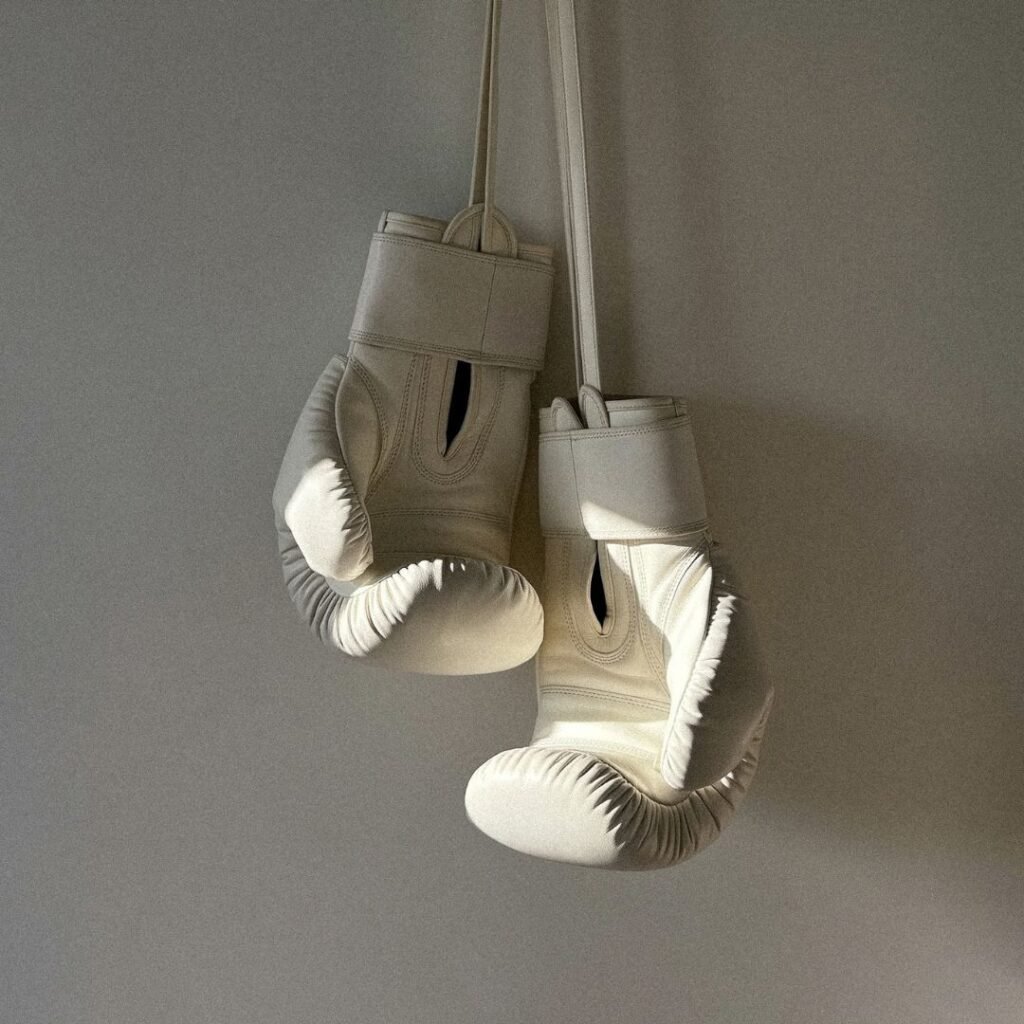
Acceptance doesn’t mean giving up
The word acceptance can be difficult when you are living with pain. It may sound like being told to resign yourself to it, stop looking for answers or simply put up with what is happening. That is not what ACT means by acceptance. It is closer to willingness – being willing to make room for the thoughts, feelings and sensations that are present, rather than spending all your energy trying to fight or escape them.
It doesn’t mean liking pain, approving of it or abandoning appropriate treatment. It means allowing what is already happening to be there while deciding what else you want your life to include.
Pain is difficult enough, but the mind can add another layer of struggle:
This shouldn’t be happening.
I can’t live properly until it stops.
Everything is ruined.
These thoughts are entirely understandable. ACT does not ask you to argue with them, replace them with positive ones or decide whether each thought is right or wrong.
Instead, it helps you recognise thoughts as thoughts, even when they feel like facts and might feel completely convincing. Noticing that these are thoughts does not mean dismissing them or pretending they are untrue. It gives you a little more room to decide how much influence they should have over what you do next.
The question is not simply, Is this thought true? It is also, What happens if I let it make this decision for me?
From there, you can ask: What would help me put a little more of my life back in the picture, even with this pain here?

Returning to the life that is happening now
Chronic pain can pull your attention in several directions at once. You may find yourself looking back at the life you had before pain or worrying about what your future will look like. Meanwhile, a large part of your attention is monitoring your body for signs that the pain is changing or becoming worse.
ACT uses mindfulness to help you return some of that attention to what is happening now. This doesn’t make pain disappear, and mindfulness should not become another test you can fail if you don’t feel calmer. It is a way of noticing more of the present moment rather than allowing pain and worries about pain to fill the whole picture.
There may still be discomfort, but there may also be the warmth of a drink, a conversation, music, fresh air or somebody you care about sitting beside you. The aim isn’t to distract yourself from pain or pretend it isn’t there. It is to make room for the rest of your experience as well.
You are more than your pain
One of the hardest parts of chronic pain can be what it does to your sense of who you are. Someone who once saw themselves as active, independent, adventurous, productive or reliable may struggle to recognise themselves after years of living with pain. Life becomes divided into what you used to do and what you can manage now.
Pain may affect what you do, but it does not make up the whole of who you are. A person who loved horse riding before pain can still be someone who loves horses, even if their relationship with riding has had to change. A grandparent who can no longer run around the garden can still a loving and involved grandparent.
You remain a person with strengths, interests, relationships, memories and hopes for the future. Those parts of you may have been pushed into the background, but they have not disappeared, and finding these parts of yourself again is a part of what we do.

What still matters to you?
When so much of life is spent managing symptoms, it can be difficult to remember what you want life to stand for beyond coping with pain. In ACT, values are the qualities you want to bring to the way you live. You may want to be caring, adventurous, supportive, creative, honest or connected.
They are different from goals. A goal can be completed; a value is something you can continue expressing in different ways. You may not be able to return immediately to an activity in the form it once took. But there may be another way to reconnect with what it gave you.
If creativity matters, the first step might be ten minutes with a sketchbook rather than completing a whole project. If connection matters, it could be sending a message rather than committing to a long day out. If being involved with your family matters, you might find a gentler way to join in rather than deciding that participation no longer counts unless you can do everything you once did.
Small does not mean meaningless.
These steps are not about proving that you can push through pain. They are about finding realistic ways to keep building a life that contains more than managing symptoms.
What if my pain doesn’t have a clear cause?
Chronic pain can develop in different ways. For some people, it is connected to an clear injury, illness, surgery or ongoing changes in the body. For others, no single injury or visible change fully explains why the pain has become so persistent or intense.
One way clinicians and researchers understand pain is by looking at what appears to be driving it. Some pain is linked to injury, inflammation or damage within the body. Some results from damage or disease affecting the nerves. Pain can also persist because the systems responsible for detecting and processing possible danger have become more sensitive.
This third type is known as nociplastic pain, you might also here the term neuroplastic pain. The International Association for the Study of Pain uses the term when changes in the way pain is processed appear to be involved and the pain cannot be fully explained by tissue damage or damage to the nerves.
This does not mean that nothing is happening in the body. It means the pain system itself may be responding more strongly than it once did. Pain may be triggered more easily, feel more intense or continue after the original reason for protection has changed.
Fibromyalgia is commonly understood as involving nociplastic pain, although researchers are still developing their understanding and no single explanation accounts for every person’s experience. Different pain mechanisms can also occur together.
None of this means the pain is imagined or “all in your head”. Pain is real, whether or not a scan or test can provide a complete explanation for it.
Psychological support is not a replacement for appropriate medical assessment or treatment. Any new, changing or concerning symptoms should always be discussed with your healthcare professionals.
ACT can be helpful across different chronic pain conditions because it doesn’t depend on proving one particular reason for the pain. Its focus is on the effect pain is having on your life and helping you respond in ways that support your wellbeing and the things that matter to you.
What helps people live well with chronic pain?
Living well with chronic pain does not mean feeling positive all the time or pretending pain no longer affects you. It means finding ways for life to become more than pain, even when symptoms are still difficult.
A 2025 review of qualitative research brought together 17 studies exploring the experiences of adults who described thriving while living with chronic pain.
Several common threads emerged. People found ways to draw on their strengths, relate differently to their pain, stay connected with others and remain involved in activities that gave their lives meaning. The researchers also identified barriers, including financial pressures, poor access to support and the attitudes of other people. Living well was not presented as something people should simply manage through determination alone.
Although the review was not specifically investigating ACT, its findings fit closely with the approach: developing a different relationship with pain, reconnecting with what matters and finding realistic ways to take part in life.
Research into ACT itself has also found benefits for people living with chronic pain, including improvements in quality of life, sleep, psychological wellbeing and the extent to which pain interferes with everyday activities. This is why NICE recommends considering ACT or CBT for people with chronic primary pain.
Improvement does not necessarily mean that pain disappears. It may mean having more confidence in what you can do, becoming less restricted by fear of pain or beginning to bring important people and activities back into your life.
You do not have to wait for pain to disappear before you begin bringing more of life back in.
If you would like support with this, RESTORE: Beyond Pain is my one-to-one programme for people living with chronic pain. It brings together Acceptance and Commitment Therapy, cognitive behavioural approaches and mindfulness to help you understand what is happening, build practical skills and begin putting more of your life back in the picture.
References:
McCracken, L. M., & Vowles, K. E. (2014). Acceptance and commitment therapy and mindfulness for chronic pain: Model, process, and progress. American Psychologist, 69(2), 178–187. view
Moseley, G. L., & Butler, D. S. (2015). Fifteen years of explaining pain: The past, present, and future. Journal of Pain, 16(9), 807–813. view
Veehof, M. M., Trompetter, H. R., Bohlmeijer, E. T., & Schreurs, K. M. G. (2016). Acceptance- and mindfulness-based interventions for the treatment of chronic pain: a meta-analytic review. Cognitive Behaviour Therapy, 45(1), 5–31. view
Widdrington, H., Krahé, C., Herron, K., Smith, K., & Cherry, M. G. (2025). Thriving when living with chronic pain: A qualitative evidence synthesis of individuals’ experiences. British Journal of Health Psychology, 30, e70000. view